Echoes in the Bamboo: A Kyoto Journal
Wabi-sabi philosophy, damp cedar temple paths, and centuries of quiet craftsmanship in Japan's ancient capital.
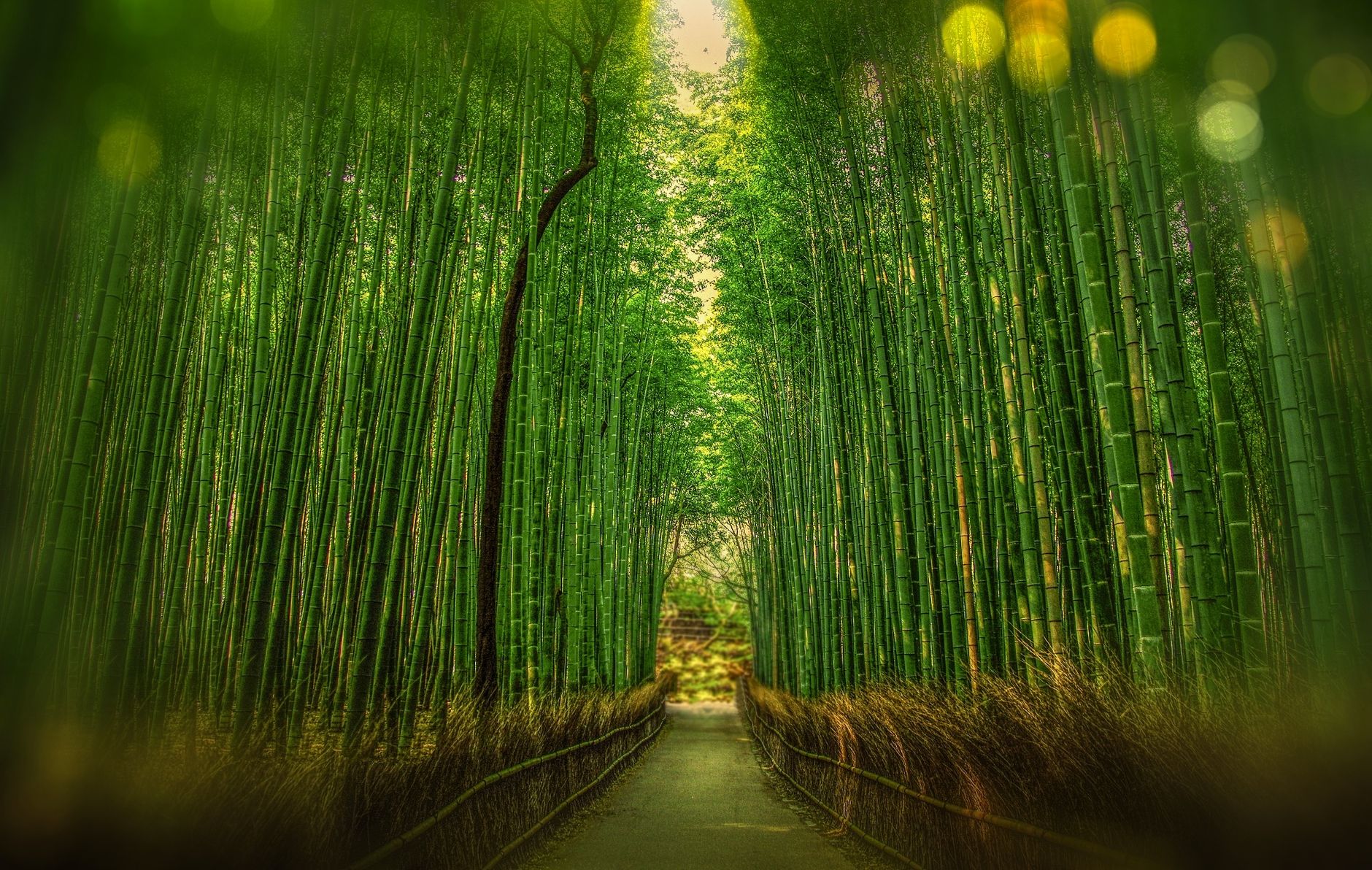
To encounter Kyoto requires waking well before the tour coaches assemble around the golden pavilions. At 5:30 in the morning, along the winding stone paths of Higashiyama, the city reveals its true temperament. Water drizzles steadily from cedar eaves, temple bells reverberate through damp bamboo, and the smell of roasting hojicha tea drifts from sliding timber screens.
Kyoto does not shout its beauty. It conceals it behind unassuming noren curtains, within moss-carpeted courtyards measuring barely three meters across, and in the delicate curve of a cracked ceramic bowl mended with pure gold lacquer.
The Rhythm of the Machiya
Staying in a restored machiya—a traditional merchant townhouse—offers an intimate masterclass in environmental empathy. Built predominantly of untreated wood, clay plaster, and paper shoji screens, these dwellings breathe with the weather. In the morning chill, you sit upon woven tatami mats with a bowl of warm matcha, watching rainwater pool into a tsukubai stone basin in the interior tsuboniwa garden.
There is no barrier between the interior living space and natural phenomena. Rain is not kept outside; its acoustic music is welcomed indoors as a companion to meditation and writing.
The Living Heritage of Craft
Beyond the historic temples, Kyoto remains alive through its artisans: fourteenth-generation kettle smiths hammering iron by hand, bamboo weavers creating baskets of mathematical balance, and textile masters dyeing raw silk with indigo fermented in earthenware vats. These craftsmen do not see themselves as artists in the modern Western sense, but rather as temporary guardians of techniques handed down through ancestral discipline.
Explore Private Ryokan Access
Experience private temple tours, tea ceremonies with recognized grandmasters, and quiet traditional residences.
Inquire With Our Specialists